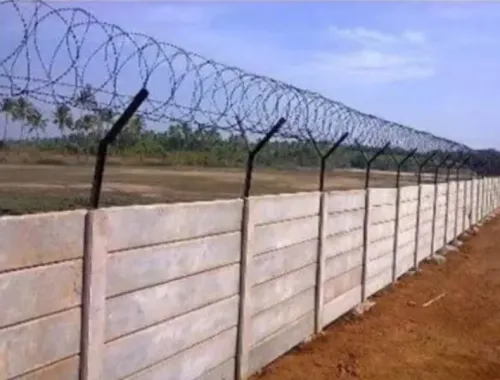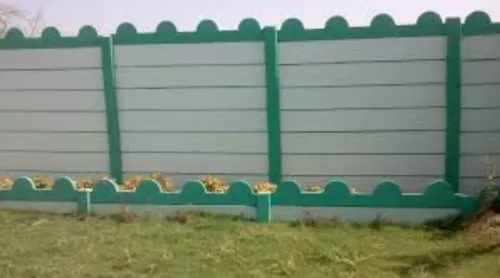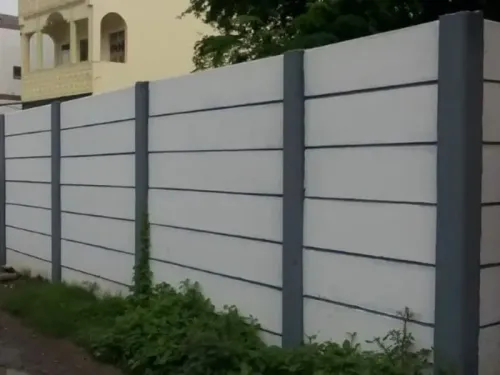


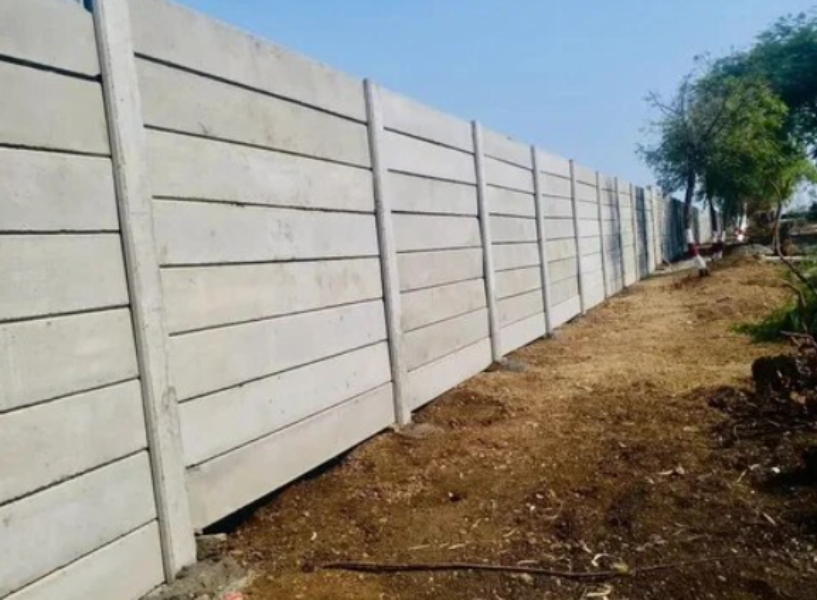
Choosing between a precast boundary and a conventional masonry wall is not simply a question of which material is stronger. The better option depends on project size, construction schedule, site access, appearance expectations, labour availability, and budget structure.
A Precast Compound Wall Manufacturer supplies ready-manufactured components that can significantly change how the boundary construction process is managed.
Comparing the construction methods
A traditional wall is generally constructed progressively at the site. Foundations, masonry, curing, plastering, and finishing can involve multiple stages.
Precast walls rely on manufactured panels and supporting posts assembled along the boundary.
For a large property, this difference can affect the overall project workflow.
Precast systems may offer advantages when:
- The boundary is long
- Installation time is important
- Site labour needs to be reduced
- Material storage space is limited
- Consistent panel dimensions are preferred
- A relatively standardized boundary is suitable
Traditional construction may be considered when:
- The design contains extensive custom masonry details
- The boundary geometry is unusually complex
- Site access makes transporting precast components difficult
- Architectural integration requires highly customized construction
Consider total project effort
Comparing only the cost of concrete panels with bricks can produce an incomplete picture. A useful evaluation includes labour, cement, sand, plaster, curing, transportation, material handling, construction duration, supervision, and finishing requirements.
For projects in Vijayawada, labour scheduling and site logistics can have a meaningful impact on boundary construction. A precast solution may simplify these variables, especially on industrial, agricultural, warehouse, and development sites.
Examine ground conditions
Precast systems still require accurate alignment and suitable support conditions. Changes in ground level, drainage routes, corners, gates, and underground services should be identified before installation.
A site inspection or detailed site information can help prevent assumptions that later affect execution.
Evaluate the manufacturer as well as the product
Buyers should ask about manufacturing practices, component dimensions, concrete quality, reinforcement, curing, transportation, installation procedures, and available wall configurations.
Trimurti Precast supplies precast compound wall systems for different applications around Vijayawada and other Andhra Pradesh locations. The selection should be based on the property's practical needs rather than choosing precast simply because it is faster.
Both construction approaches have valid applications. Precast becomes particularly attractive when repeatability, controlled manufacturing, shorter site execution, and reduced dependence on extensive masonry work are important to the project.